
Withdrawal
Giving up The Washington Post has been harder than I expected

Some people start their day with meditation, self affirmations, a run, or walk with the dog. I don’t do any of those things. I am no good at meditation, I don’t run, and we don’t have a dog. Call me a dinosaur but my morning ritual has always been to sit down at my kitchen table with its view of the backyard, steaming mug of strong coffee in hand and the print version of the Washington Post spread out before me.
Those days are gone and now I’m at sea in a way that I hadn’t anticipated.
Lots of folks dropped their Post subscriptions in the fall of 2024, when Post owner and all-around asshole Jeff Bezos decided not to make an endorsement in the presidential election even though the editorial board had already decided to endorse Kamala Harris. While I shared the sense of outrage, I couldn’t bring myself to pull the plug. In addition to its outstanding national coverage and investigative teams, the Post was a strong source for local news that included coverage of District politics and governance (as well as elsewhere in the metro area), sometimes quirky and always well written human interest stories, and in-depth reports from the Capital Weather Gang. So where else would I get such coverage and how could I not continue to support the crackerjack team of local, national, and international reporters who continued to do their best work in a stressful business environment? I loved the Sunday book reviews and travel section, and of course two full pages of comics every weekday. The Wednesday food section was a constant source of inspiration for weeknight dinners and more fanciful fare. (I hear the Sports section was first in class but I rarely cracked its pages.)
Over time, it got harder to justify that decision. I gave up on the editorials and the opinion page with their aggressively pro business and nonsensical arguments, and watched as Metro, Sports, and Style were combined into one rapidly diminishing second section. The once venerable Post was now going the way of Parade magazine: ever thinner, ever less enjoyable to read. Then came more RIFs and the Post seemed a husk of its former self.
Our monthlong trip to New Zealand provided a decision point. We could either stop home delivery for the duration of our trip or we could just drop the paper altogether. Ultimately we decided to cancel our print subscription but couldn’t quit the paper in its entirety, switching to digital access only.
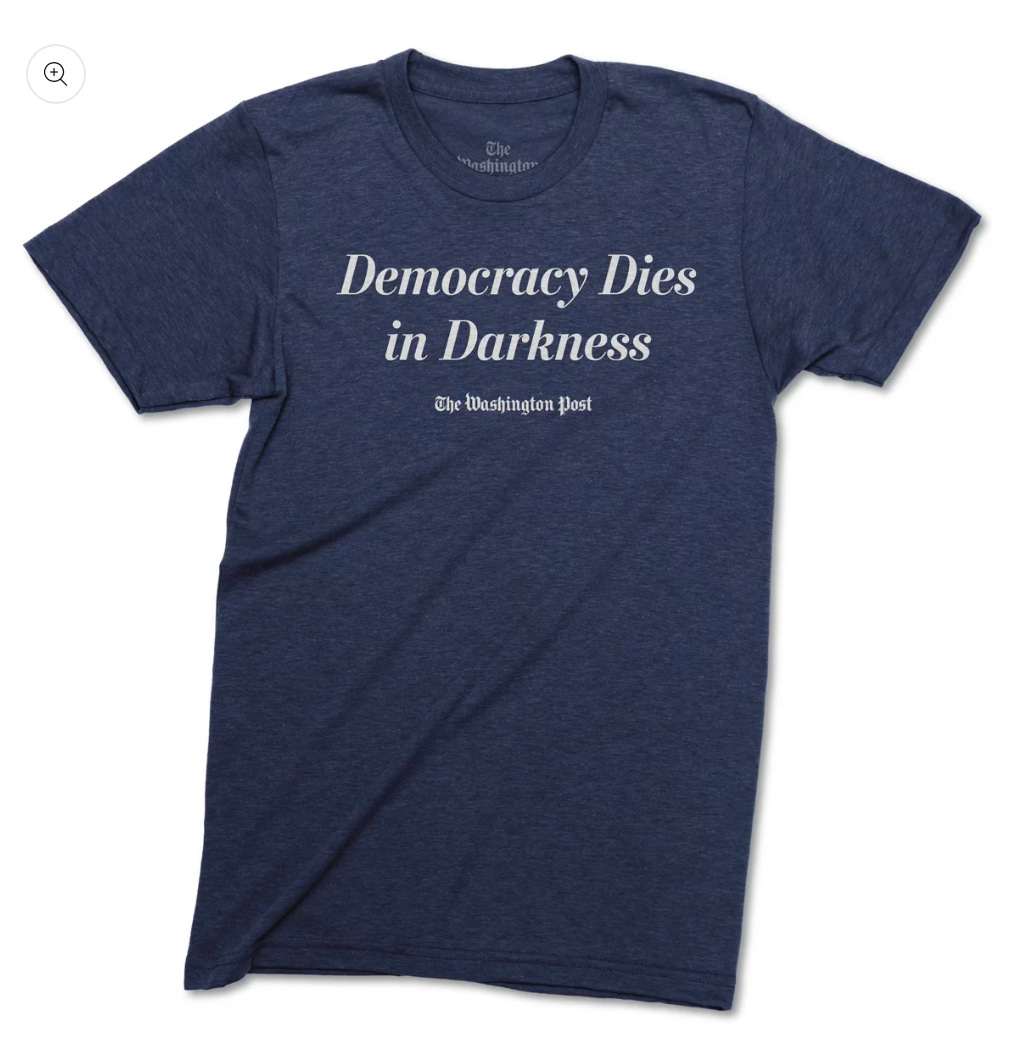
It’s been three weeks since we returned from that vacation and I have to remind myself not to go out to collect the paper off the front walk after getting the coffee going. While what remains of the Post is still available to me (plus we have the digital version of the New York Times, the Guardian, the Atlantic, and the 51st), the sense of ritual is gone. I can keep up with the headline stories on my phone but I’m far less likely to retain sustained focus and I’m missing all the other stories that might catch my eye when turning the pages of the print edition. And then there are the other features I used to rely on. Is that new movie worth seeing? And is it playing near me? What advice is Carolyn Hax dishing out? Is that new restaurant worth the money? Some (although sadly not all) of this content is still there but it’s all less accessible.
Of course the demise of the Washington Post is a much bigger and more concerning story than the disruption of my comfort zone. But you’ll have to read about that elsewhere. In the meantime, don’t mind me while I sort out how best to stay informed in this fractured media environment. If you have suggestions, I’m all ears.
You've captured beautifully my feelings about "withdrawal" from the Post. I still miss it, but we did give it up a while ago. Now I'm busy getting upset at the Times - while they do a good job in some articles and editorials, they've really fallen down on the job on key issues in terms of not asking the obvious questions that readers want to know about, or should know about, and failing to report relevant information. A recent example of the latter was the 4/5 article "A $1.8 Billion Business Built with A.I....". The Times researchers completely failed to (learn about?) cover a different side of the story, in which the FDA in February found the company MEDVI was making false statements about the drugs included in its program and had misleading and false advertising. It's hard to believe that the Times would not have found it, and harder to believe that if it was aware of it, that it would not report it. (See drugdiscoverytrends.com, April 4 article by Brian Buntz.)
I'm still hanging on out of stubbornness (I'm sure the day is coming when it will all be digital.) I need my eyeballs on paper for some of the day. I have a friend who passes along the Sunday NYT book review section, but I prefer what was the Post Books section. Mourning the loss of that.