
Rosedale
A little bit of history and quite a bit of green (in season)

Happy Groundhog Day! I’m not sure what Punxsutawney Phil will do today but I am sure that it will probably take six more weeks for all the snow and ice we got last week to melt and return the Washington landscape to its usual state. With the exception of multiple sessions of shoveling/chipping at ice, I’ve spent the week mostly inside, cowering from the cold and disinterested in navigating icy sidewalks and so-called plow bergs at intersections. I had planned to visit Frederick Douglass’s home in Anacostia on Tuesday but I cancelled those plans and will reschedule at some point. So I have no current adventures to report.
But I took some pictures way back in June of the Rosedale Conservancy in Cleveland Park (accessible from an entrance at the corner of Newark Street and 36th Street NW) and now is as good as a time as any to post them. My pictures don’t really do justice to the expanse so you may want to check out street view from Google Maps to get a feel for the property.

The story of this plot of land in a particularly tony part of Upper Northwest goes back to the 1740s when a colonist built a stone cottage here on land known as Pretty Prospects. Some 50 years later, General Uriah Forrest purchased 420 acres of Pretty Prospects, seeking a respite from the sweltering port of Georgetown, a bit over two miles away. In 1793, he built a frame farm house adjacent to the original cottage, christening it Rosedale. And then as these stories go, Forrest fell into debt and the house fell into disrepair and the land was sold away. The neighborhood was developed with substantial homes in the 1890s as the wealthy, like General Forrest before them, sought relief from muggy conditions in the city center. Various educational and nonprofit organizations quartered here until 2002 when neighbors bought the remaining three acres, putting it into a land trust and thus protecting it from further development. The house was renovated and remains a private residence. (Per the real estate site Redfin, it has four bedrooms, four baths, a swimming pool and a shared tennis court, and last sold in 2012 for $4.4 million.) Otherwise, the grounds are open to the public daily from dawn to dusk with signage at the park calling it Cleveland Park’s village green.
The signage also indicates that the farm house is the oldest surviving house in Washington, DC, a claim that merits some skepticism. The Old Stone House on M Street NW in Georgetown is touted as being the oldest structure in DC on its original foundations which date from 1765. A house in the Kalorama neighborhood also claims to be the oldest, although it was built in Massachusetts in 1754 and then dismantled and moved in pieces by rail to DC in the 1930s. Whatever.
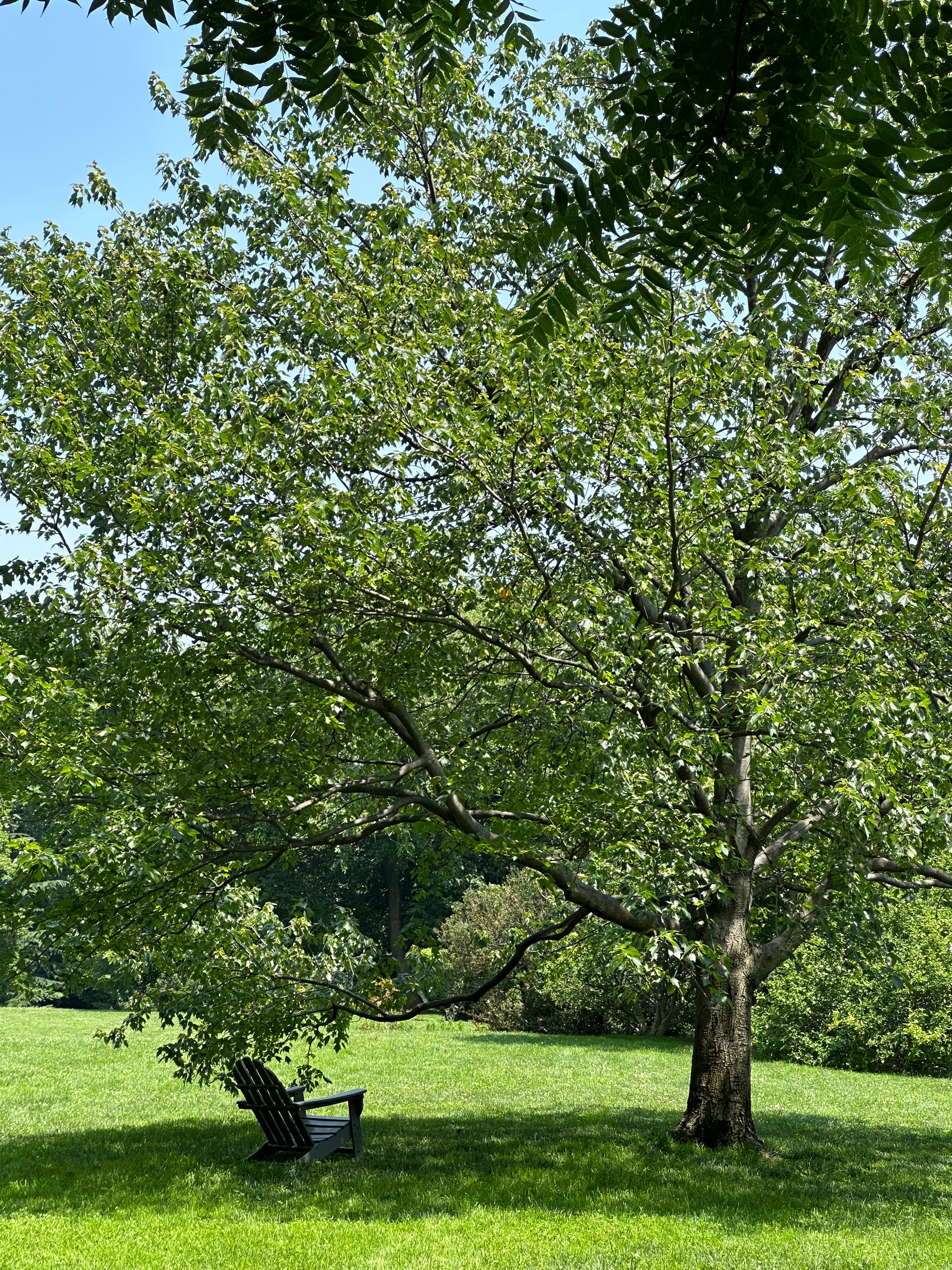
As you can see from the photo above, Rosedale is a lovely bit of green where you can picnic or read a book, and perhaps imagine yourself to be one of those early Americans. Dogs are permitted if they are registered with the conservancy and are wearing a Rosedale tag. Apparently it is such a popular spot for dogs that, even though tags are limited to those living within a half mile or so of the park, there is a waiting list and a $100 annual fee even while waiting for a spot. The board takes its stewardship of the property quite seriously: a notice on the website this week bars sledding due to icy conditions, damage to a fence, and bare spots on the lawn.
The forecast for the week ahead is still pretty cold although the mercury may climb to the mid 30s tomorrow. We’ll see if I can get out and about and bring you something fresh next week.
Also not to be overlooked - The Rest in Tenleytown
Really facinating how climate drove teh geography of wealth even before AC existed. The pattern of escaping muggy downtown heat basically created whole neighborhoods, and kinda mirrors what we're seeing now with climate migration reshaping cities. I worked in historic preservation for abit and this push-pull between urban cores and "relief zones" keeps repeating.